
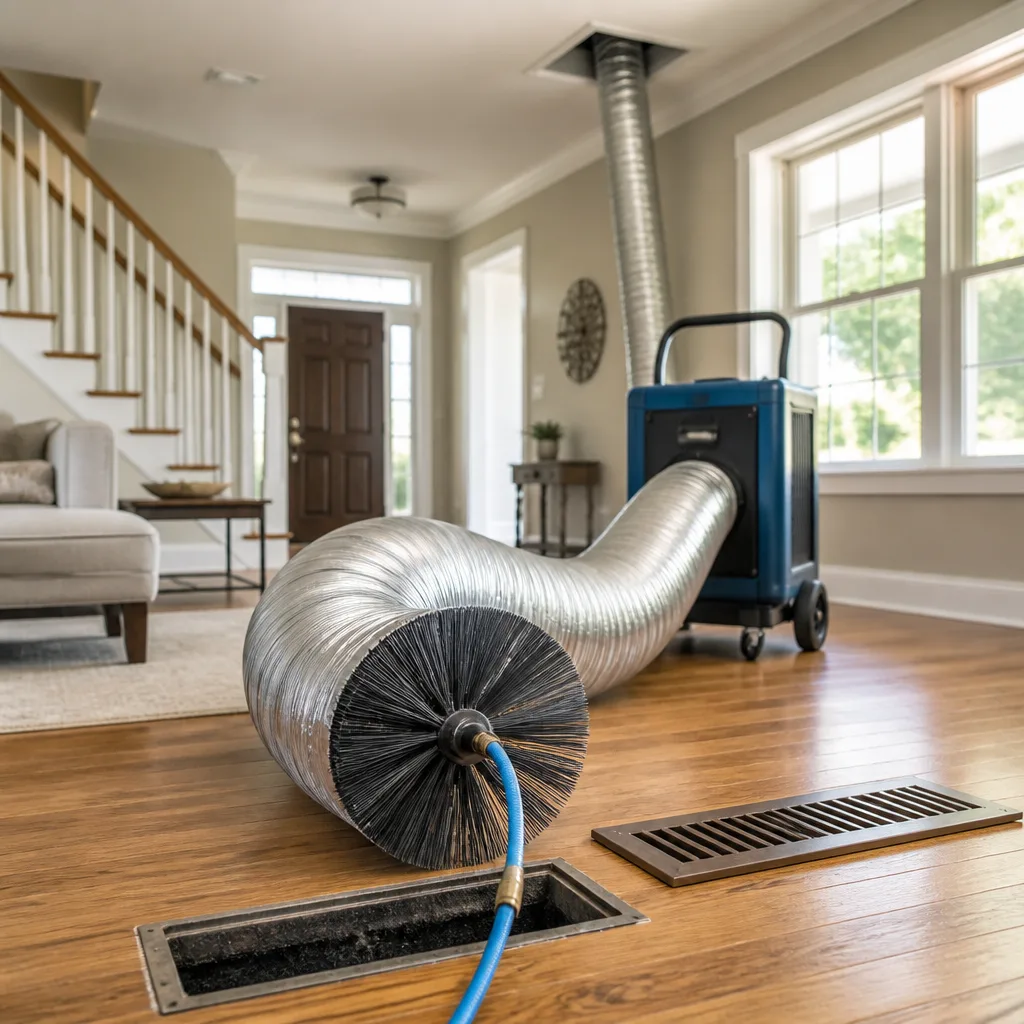
 Whole-home duct cleaning
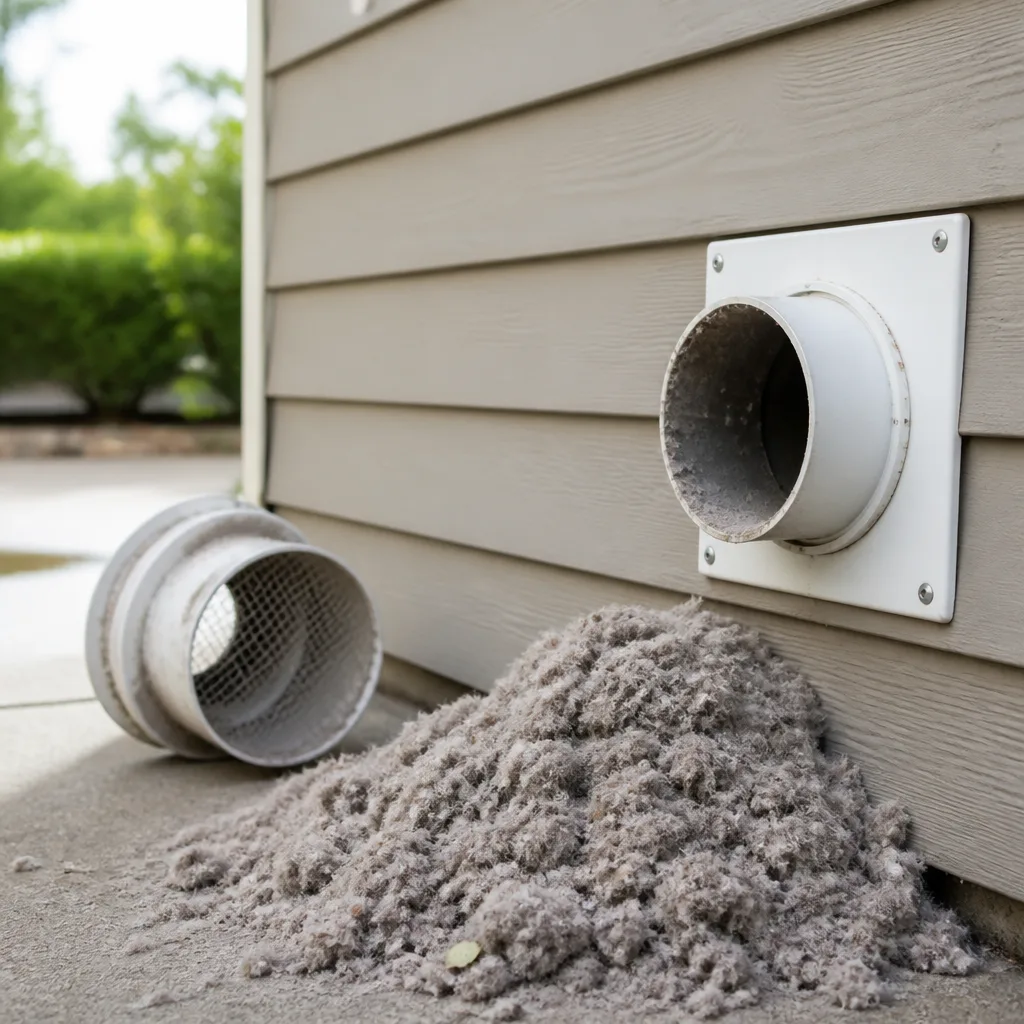 Dryer vent cleaning
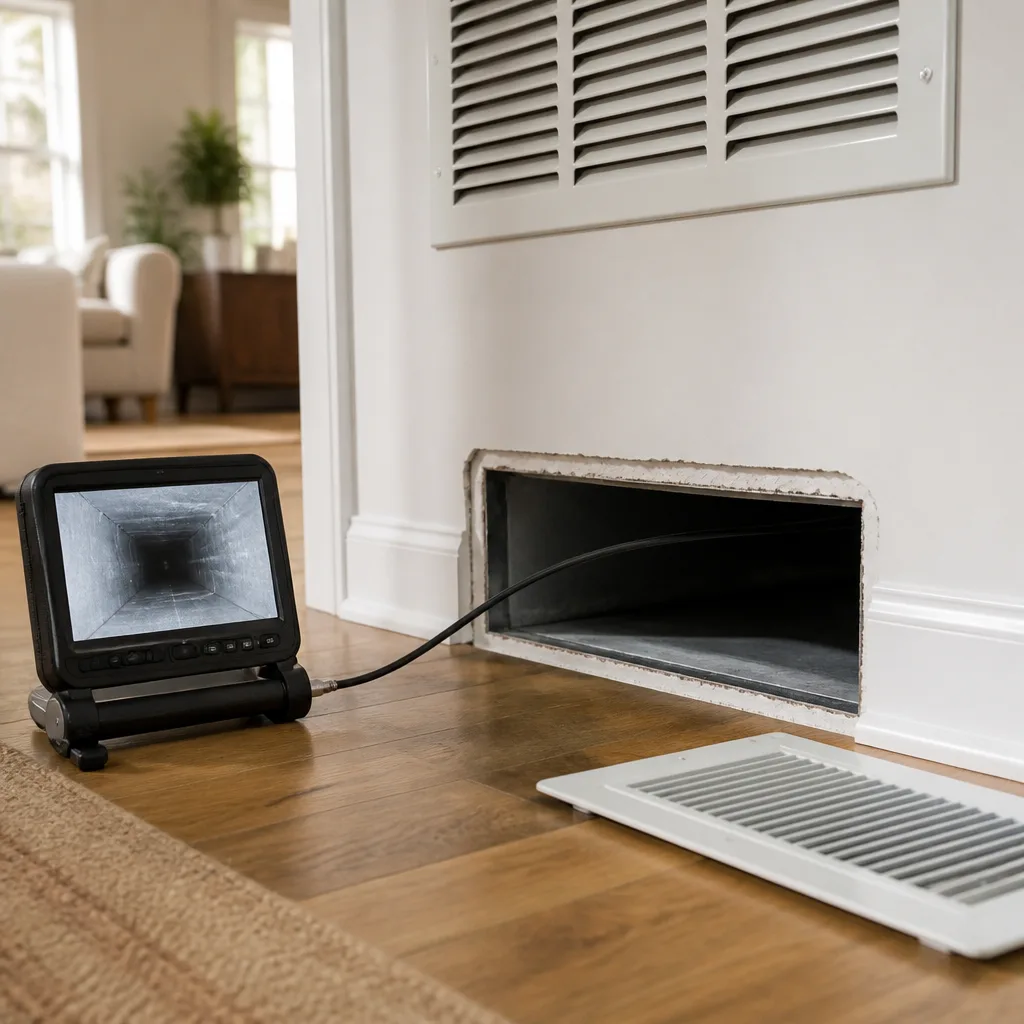 Camera inspection
 Sanitizing & deodorizing
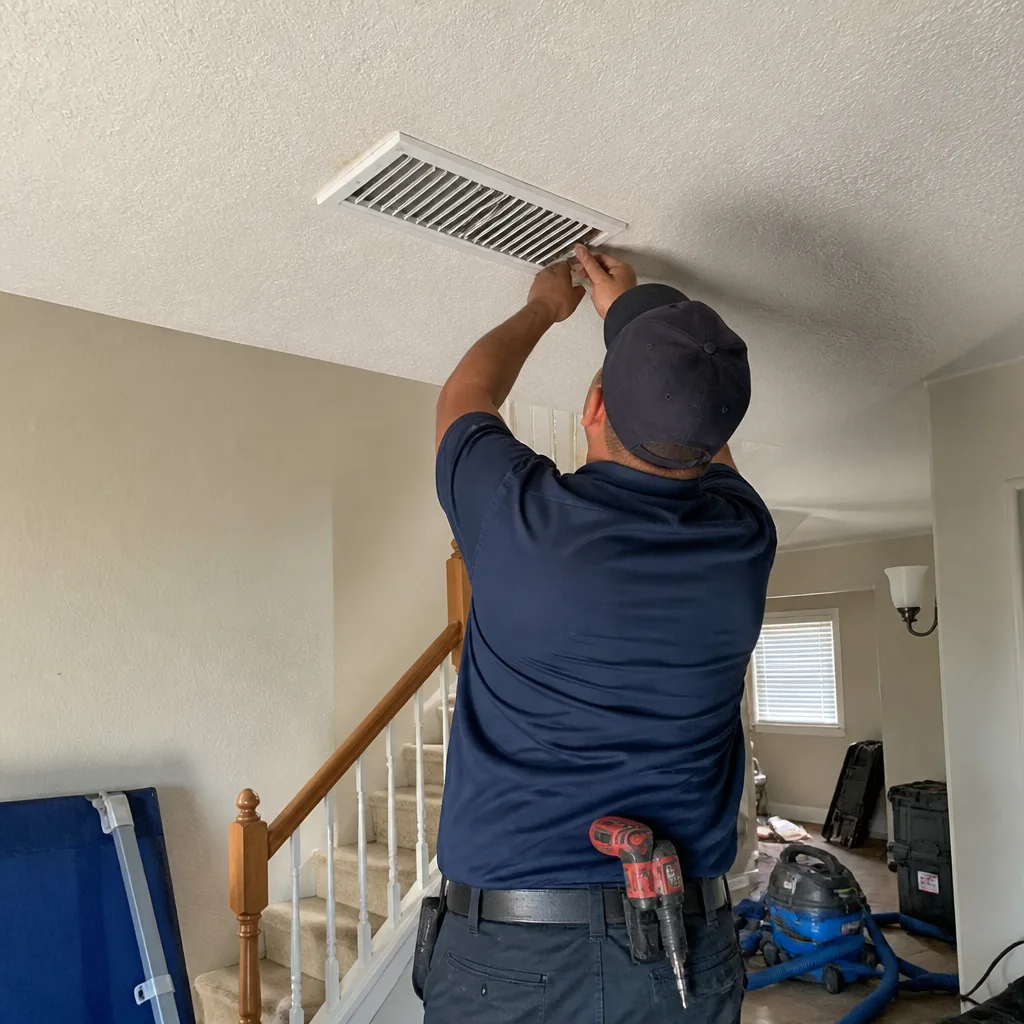
Whole-system duct and dryer vent check with before-and-after photos - you see exactly what came out of your vents
That "$99 whole-house special" is a bait ad - the real number appears once they are in your hallway, or the "clean" is a shop-vac at the register. We photograph the inside of your ducts before and after instead.
Trane Air Duct Cleaning in Lake San Marcos, CA
We clean and repair air ducts for Trane systems throughout Lake San Marcos, including our Air Duct Cleaning in Lake San Marcos. The work here in the 92078 zip code isn’t the same as a coastal city ten miles west, because Lake San Marcos sits in a bowl where wildfire ash and chaparral dust settle into return grilles and stay there. If your Trane air handler has been pulling that in for a few seasons, call (855) 382-4811 for an independent, honest assessment.
Duct Cleaning Oceanside is an independent Trane service provider, not a manufacturer-authorized dealer. We don’t sell warranty coverage, and we won’t claim to be anything we’re not. What we are is a crew that knows how Trane’s XR, XLi, and XV air handlers behave after they’ve spent a decade or two in Lake San Marcos air. We’re also the Trane sales & service team locals call when the air in the house feels heavier than it should, and the return grille has a gray film no amount of dusting fixes.
Why Lake San Marcos Residents Choose Us for Trane Service
Sal Guerrero runs our shop, and he’s the first to say the duct work doesn’t care how it looks on the outside. What matters is what’s moving through it. That’s the standard we work to here. We’ve spent years providing Trane service in North City and across North County San Diego, and Lake San Marcos has its own pattern: original duct runs from the 1970s and 80s, return boots that have never been properly sealed, and air handlers working against decades of fine particulate.
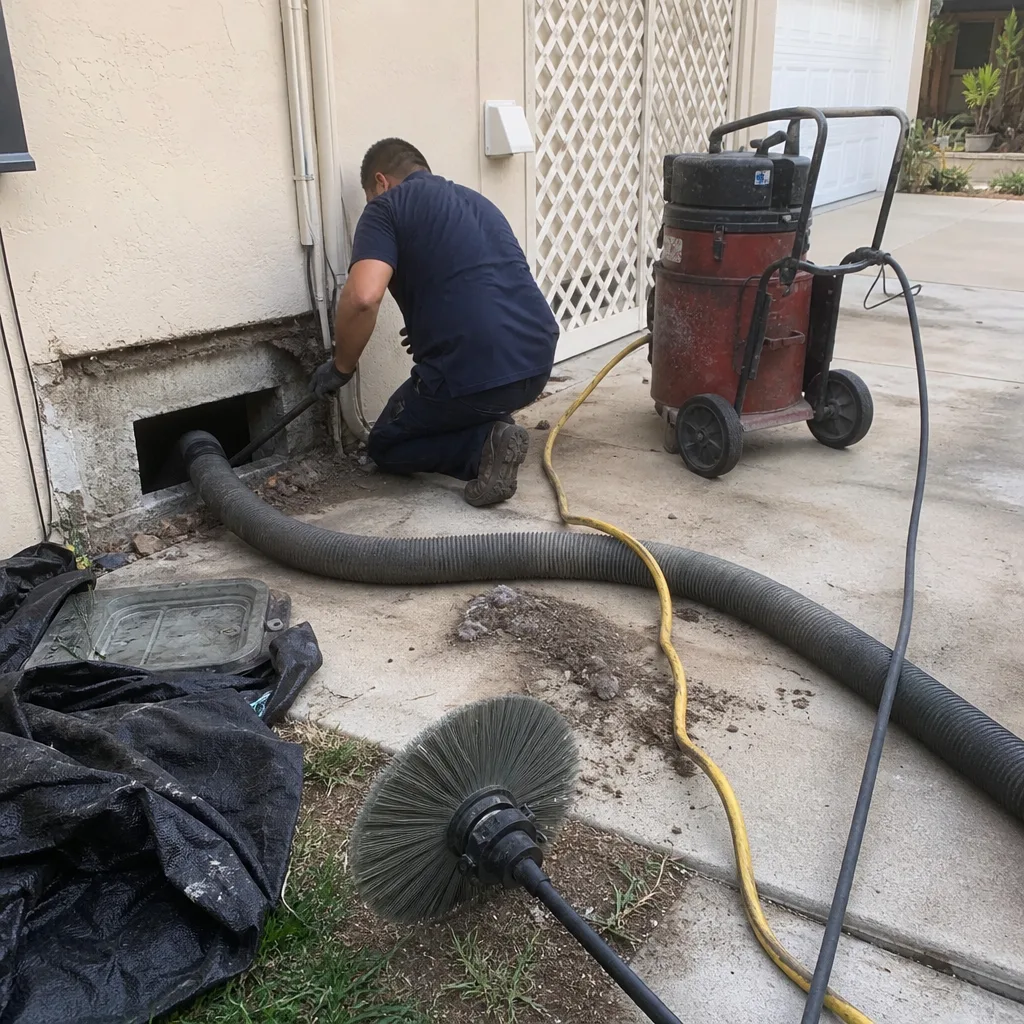
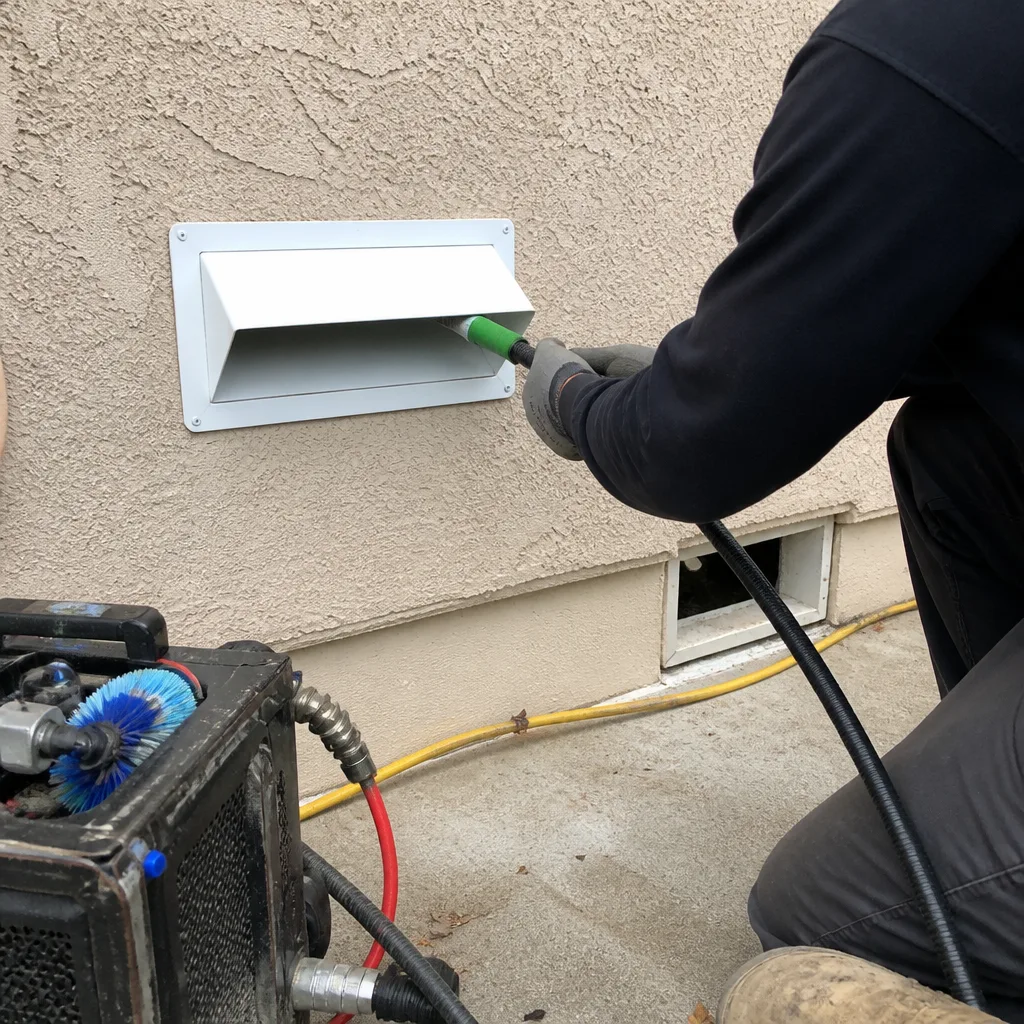
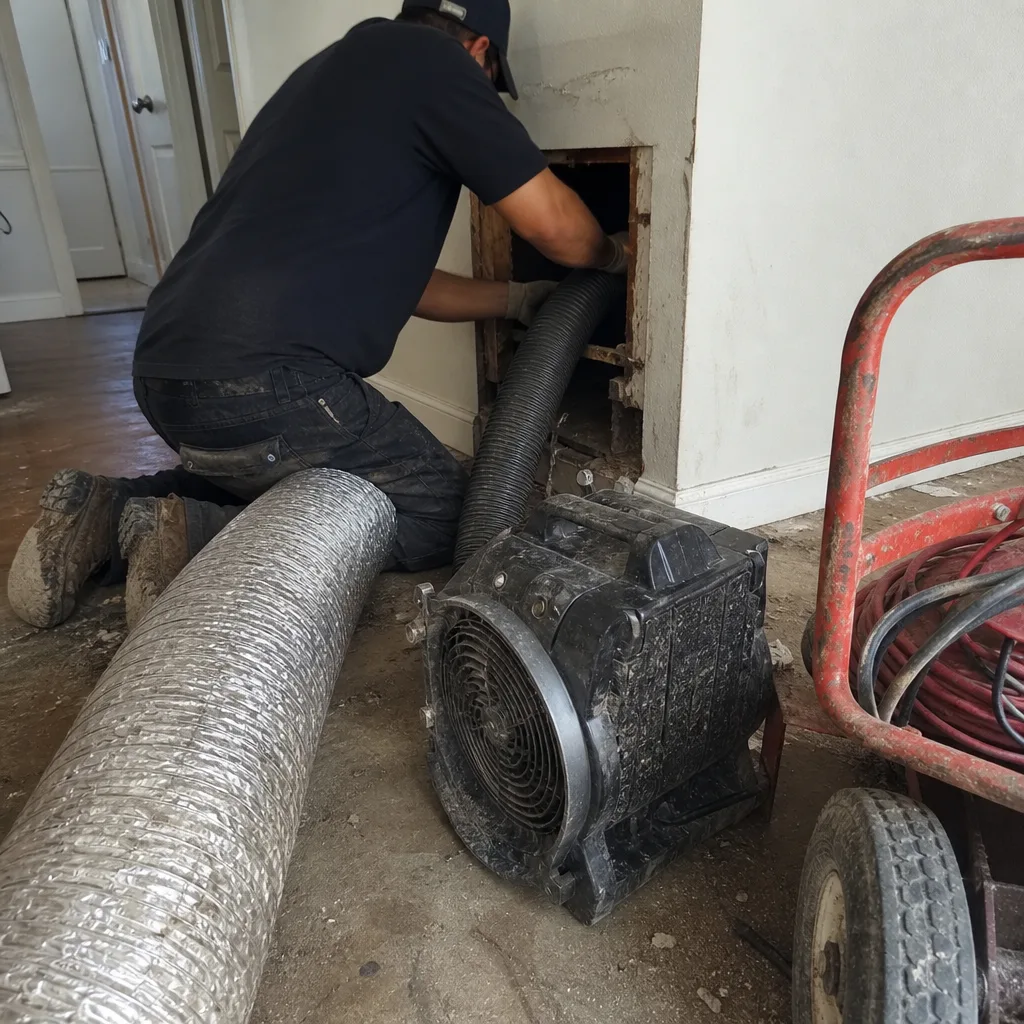
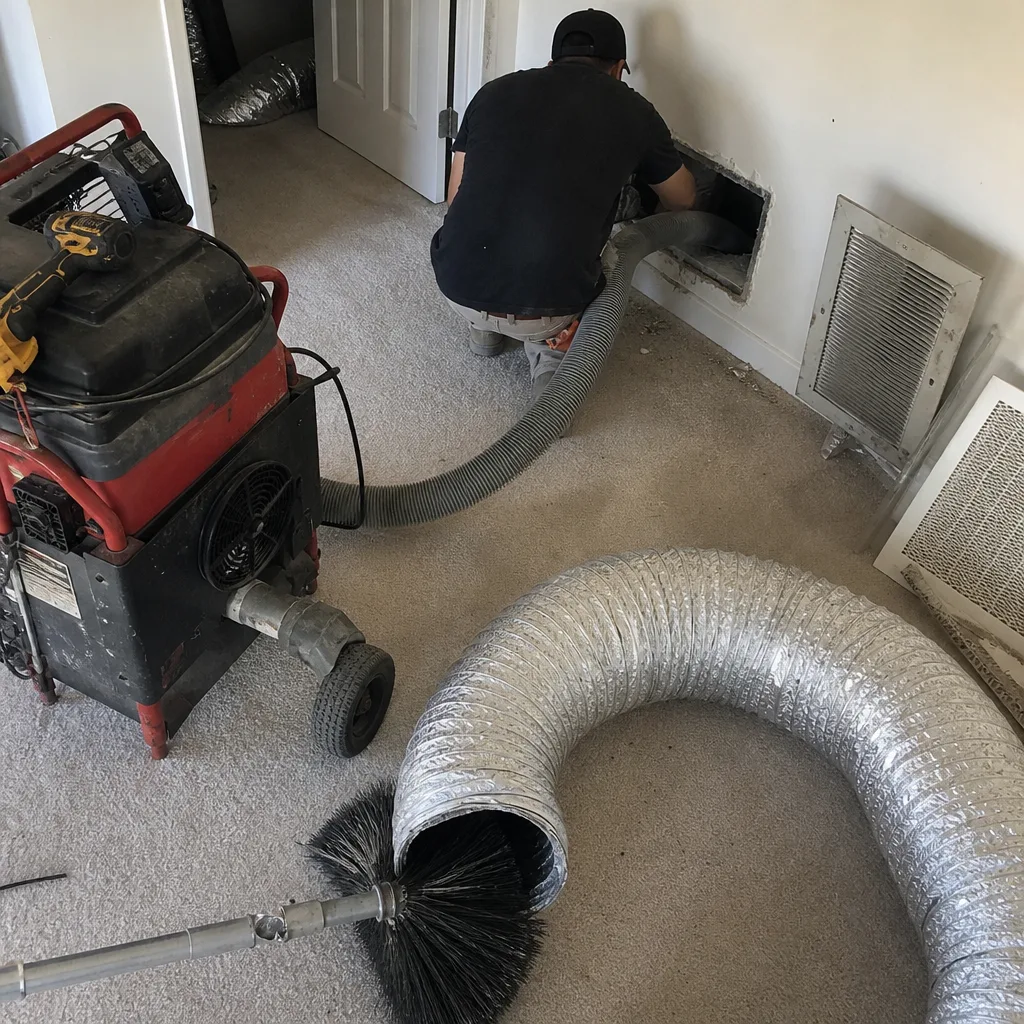
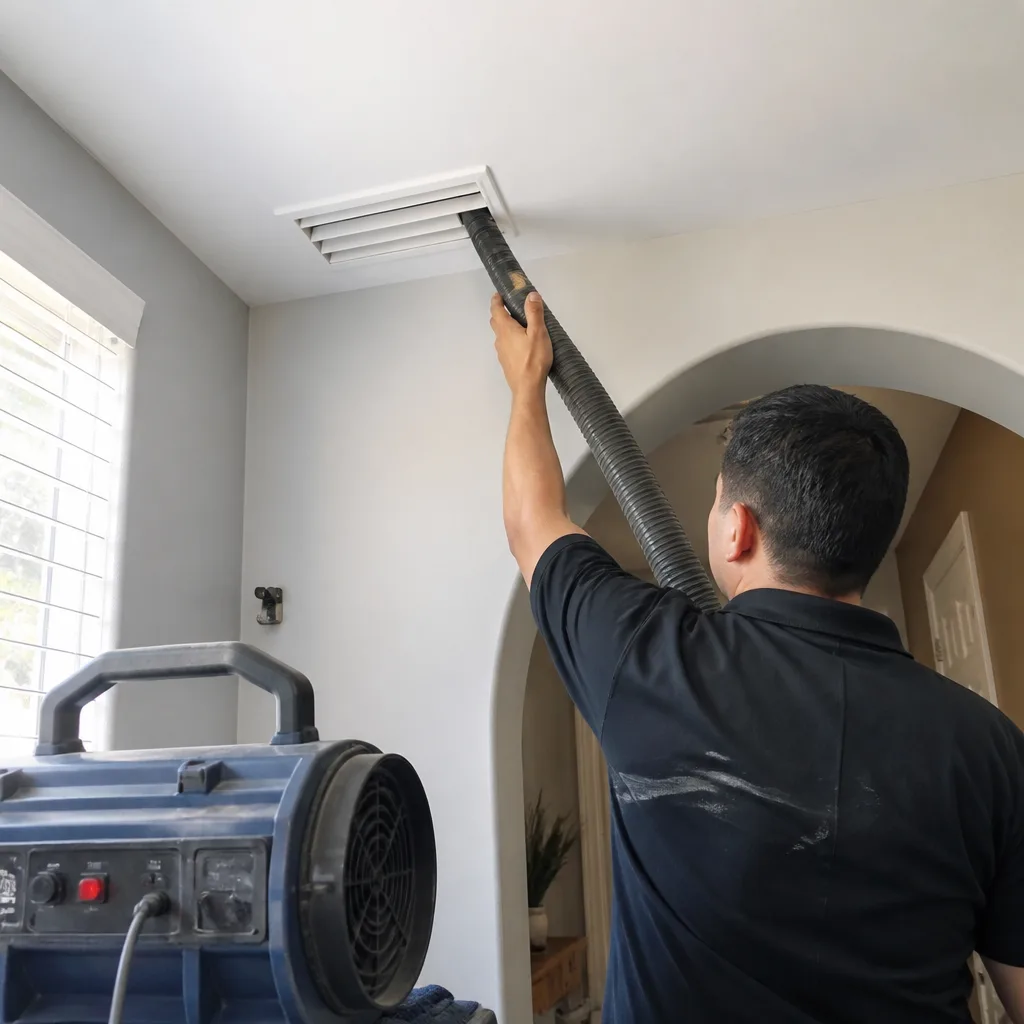
When we show up in Lake San Marcos, we’re not bringing a shop vac and a brush. Our rigs run Rotobrush contact-cleaning heads that physically scrub duct walls, Nikro HEPA negative-air machines that keep dislodged debris from recirculating through your living room, and Abatement Technologies equipment for jobs that need remediation-level containment. That matters when you’re cleaning a Trane return that’s been collecting ash since the last fall fire. We use Trane OEM filters and cabinet gaskets where the match affects performance, and quality aftermarket flex duct, mastic, and insulation where the repair is about sealing, not branding.
We cover all of Lake San Marcos service area, from the lake-adjacent condo clusters to the hillside single-story ranches. The houses may be different vintages, but the Trane units we see tend to share the same problems.
Styles & brands we work with
- Whole-home duct cleaning
- Dryer vent cleaning
- Camera inspection
- Sanitizing & deodorizing
Common Trane Air Duct Cleaning Problems We Solve in Lake San Marcos
- Filter-box ash buildup on Trane Spine Fin condenser coils. Santa Ana wind weeks push fine chaparral ash and dry dust across the coil face, and it doesn’t stop there. The ash gets pulled into return grilles and settles in the filter box, where it cakes and reduces airflow. We see this on XR and XLi condensers throughout the 92078 zip code every fire season.
- Failing foil-tape and mastic seals on older Trane plenum transitions. The 1970s and 80s single-story homes around Lake San Marcos still have original plenum and register boots in a lot of cases. That aging foil tape dries out and lets hillside dust bypass the filter entirely, coating the evaporator coil and blower wheel. We reseal those connections as part of a proper duct cleaning, not as an afterthought.
- Slow-spreading particulate on Trane XV and XR two-stage variable-speed air handlers. These units move more air at lower fan speeds than single-speed systems. That means ash and pollen that get in deposit more slowly, but they spread across a larger return-duct surface. By the time a Lake San Marcos homeowner notices, there’s a fine layer everywhere, not just in one corner. We clean the full return run on these, not just the visible section.
- Sagging and disconnected flex-duct inner liners in 1970s-80s condo clusters. The low-rise townhome and condo buildings around the lake still have original flex runs in a lot of cases. Inner liners sag, disconnect at the boot, and now the Trane air handler is pulling unfiltered attic air. Airflow drops, the coil ices in hot weather, and the system works harder than it should. We repair the collapsed section and clean the remaining runs.
- Post-fire return-grille caking in lake-adjacent hillside homes. After a regional wildfire, Lake San Marcos fills with fine gray ash that settles into return grilles and filter boxes. Retired residents in the lake-adjacent condo clusters may not notice for weeks. We schedule more of these jobs in fall than any other season, and our process here includes deep-cleaning the return duct, not just swapping the filter.
Trane Service in Lake San Marcos: What Local Conditions Mean for Your Equipment
Lake San Marcos is a lake-centered retirement community with distinct needs for San Marcos Trane service, and that changes the calendar for Trane work here. After every regional wildfire, two things happen: the air fills with fine gray ash, and many residents in the lake-adjacent condo clusters don’t realize it for weeks because they’re not spending hours outside or checking return grilles. So our fall workload in the 92078 zip code isn’t driven by the calendar. It’s driven by fire season. A retiree notices the air feels off, or a visiting family member raises it, and by then the ash has worked its way through the return side of the system and into the filter box and beyond.
One job in the condo clusters off La Bonita Drive sits in our memory pretty clearly. A 1990s Trane XR air handler with a return grille caked in fine gray ash from a fall fire. Our tech pulled the flex return run and found the inner liner had sagged and disconnected at the boot. Ash had been bypassing the filter entirely. We cleaned the return and supply runs, resealed the boot with mastic, replaced the collapsed flex section, and cleaned the evaporator coil. Airflow and static pressure came back to spec, and the resident told us she noticed the difference within an hour. That’s the kind of job generic duct cleaners don’t catch, because they’re not opening the run.
In the hillside single-story ranch homes off San Marino Drive and surrounding streets near Mission Valley East Trane service areas, we see the same pattern with a different housing stock. Original rigid galvanized duct runs from the 1970s, steel boots that have never been resealed, and Trane air handlers working against decades of leaks. The hot, dry inland-influenced summers and Santa Ana winds keep a constant supply of dust moving through those gaps. For Trane owners, that means coil and blower fouling that a standard filter change won’t touch.
Trane Models & Products We Service in Lake San Marcos
We work on Trane XR series split systems, the XLi line including 15-20 SEER two-stage and variable-speed units, Trane XV variable-speed air handlers, and the older single-stage gas-pack and split air handlers from the 1980s and 90s that still show up in Lake San Marcos homes. The older units are a big part of our work here. They run, but their duct connections are usually the weak point.
On the parts side, we use Trane OEM filters, belts, and cabinet gaskets where the match is critical to how the unit runs. For duct repairs themselves, we use quality aftermarket flex duct, mastic, and insulation. The distinction matters: a Trane air handler should have a Trane filter and gasket, but the flex run connecting it to the boot doesn’t need a Trane logo to perform. We’re practical about where manufacturer parts earn their cost and where they don’t.
If a Trane air handler in Lake San Marcos has a failing coil or blower, but the cabinet and compressor still check out, our recommendation is repair and cleaning. We only talk replacement when the coil, cabinet, and compressor are all past their service life. Not every worn system is a replacement opportunity, and we won’t pretend otherwise.
See the difference
 Before
 After
 Before
 After
 Before
 After
Trane Service Pricing in Lake San Marcos
Air duct cleaning for a Trane system in Lake San Marcos typically runs between $450 and $850 for a full single-system home, depending on the number of runs, the access, and whether we’re also doing duct sealing or repairs. If we find a disconnected flex section or failing boots during cleaning, those repairs are quoted separately and agreed to before any work starts. We don’t do per-vent pricing and we don’t quote a teaser number that changes once the van is in your driveway.
Our free estimate includes an assessment of your Trane air handler, return runs, supply runs, and the accessible boots. We’ll tell you what we found, what needs cleaning, and what needs repair, with one flat price per system agreed before we begin. Call (855) 382-4811 to set that up.
Serving Lake San Marcos, CA – Our Local Coverage Area
We’re based in the Lake San Marcos area and know this community well. Use the map below to see our service coverage – if you’re nearby, we can almost certainly help.
FAQs – Trane Air Duct Cleaning in Lake San Marcos
It depends on the condition of your return runs. If the flex or rigid return is intact and sealed, a full contact cleaning with HEPA negative-air containment will remove the ash that’s settled in the duct. But in homes where the return liner has sagged or disconnected at the boot, cleaning alone will only buy you a few weeks before ash bypasses the filter again. We inspect and reseal as part of the job, and we’ll tell you which situation you have. Call (855) 382-4811 for an assessment.
Yes. The older single-stage Trane air handlers from that era are a regular part of our Lake San Marcos work. The cabinets are usually still sound. The bigger issue is almost always the duct connections at the plenum and boots, which have had decades to dry out and fail. We clean the system and repair what’s failed, using Trane OEM parts where the match matters and quality aftermarket duct materials for the rest.
Variable-speed Trane units move air differently than single-speed systems. They run lower and longer, which means ash and pollen that get into the return deposit slowly but spread over a wider surface. After a fire season, that fine particulate can coat the evaporator coil and blower wheel enough to reduce heat transfer. A coil cleaning and return-duct cleaning usually restores the temperature split. Call us for a free estimate.
Yes, that’s part of our standard in-house duct repair work. We use mastic and new foil tape on accessible plenum transitions and register boots, and we replace failed flex sections where the inner liner has collapsed. We’re not a cleaning-only company that refers this out. We find the leak, we fix it, and we document what we did.
It shifts the priority from routine maintenance to post-fire recovery. After a regional wildfire, the first thing we check is the return side: grille, filter box, and return run. If there’s ash in the filter box, there’s ash deeper in the system. We also recommend checking your supply boots and coil. The schedule for Lake San Marcos follows the fires, not the seasons. Call (855) 382-4811 and we’ll give you an honest read on what your system needs.
Service Areas Near Lake San Marcos
We serve Lake San Marcos and the surrounding North County communities. That includes Trane service in Bonsall, Trane service in Escondido, plus Oceanside, Carlsbad, Vista, San Marcos proper, and Encinitas. If you’re in one of those areas and have a Trane system, the same equipment and the same honest assessment apply.
Book Your Trane Service in Lake San Marcos Today
If your Trane air handler has been through a fire season or two without a proper duct cleaning, the ash isn’t going anywhere on its own. Call (855) 382-4811 for a free estimate. We’ll inspect, clean, and repair what needs it. Written by Sal Guerrero, Owner at Duct Cleaning Oceanside, serving Lake San Marcos since 2011.